What to Feed Worms in a Home Composter (and How to Feed Them Properly)
Learn what to feed composting worms, what to avoid, and how to feed them properly. A complete guide for successful home composting.
9/30/20255 min read
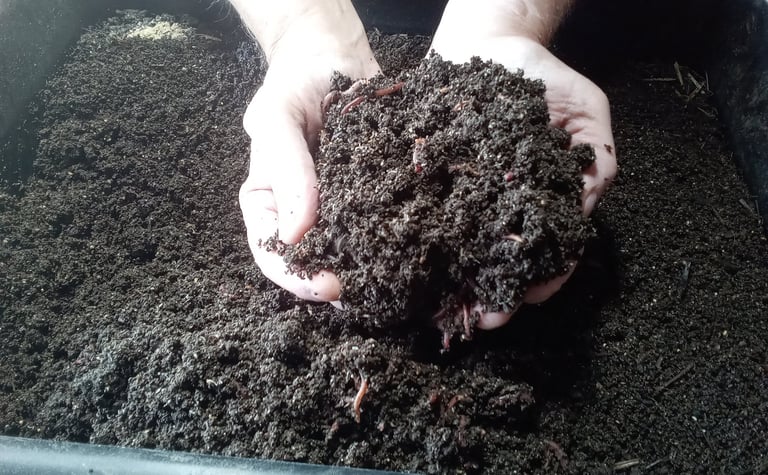
Vermicomposting is more than just a clever way to get rid of kitchen scraps—it’s a science-backed, time-tested method of turning waste into one of the richest organic soil amendments on Earth: worm castings. But here’s the catch: a worm composter is only as successful as the food you give it. Feed incorrectly, and you’ll battle odors, pests, or even sick worms. Feed correctly, and you’ll enjoy a thriving worm population and a steady supply of “black gold” for your garden.
In this article, we’ll cover exactly what to feed your worms, what not to feed them, and how to do it the right way. Whether you’re a first-time worm composter or looking to improve your current system, this guide will give you the confidence to keep your worms happy and productive.
Why Feeding Matters in Worm Composting
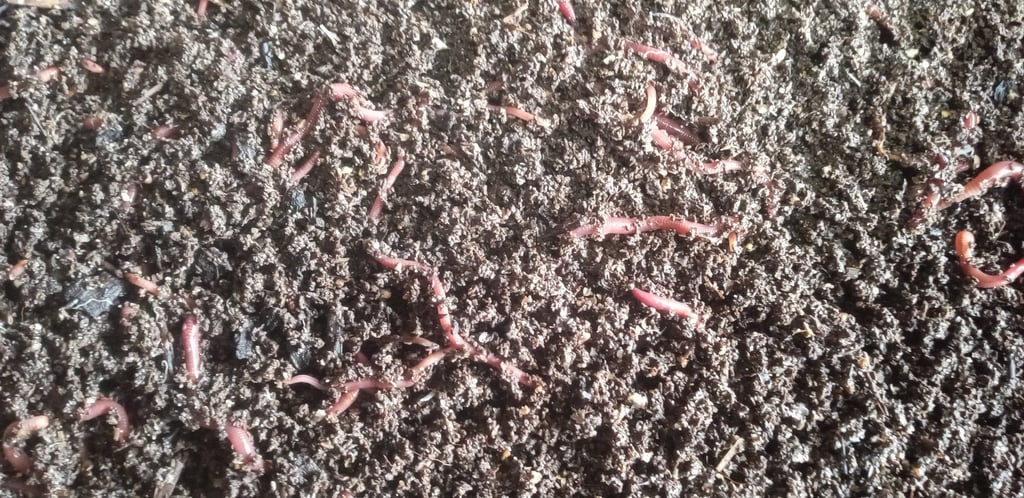
Worms may be small, but they’re living engines of decomposition. A single pound of red wigglers can eat roughly half their body weight in food scraps every day under ideal conditions. That means the choices you make at feeding time directly influence:
The health of your worm bin – balancing pH, temperature, and moisture.
Odor control – a well-fed bin smells earthy, not rotten.
Worm reproduction and growth – healthy worms breed and expand the colony.
Compost quality – balanced inputs create nutrient-rich, microbe-dense castings.
Feeding, in other words, is at the heart of worm composting success.
What Do Composting Worms Eat
Worms thrive on a plant-based, diverse diet. Think of their food in two categories: greens (nitrogen-rich) and browns (carbon-rich).
Greens: Nitrogen-Rich Worm Food
These scraps provide protein, nitrogen, and quick energy.
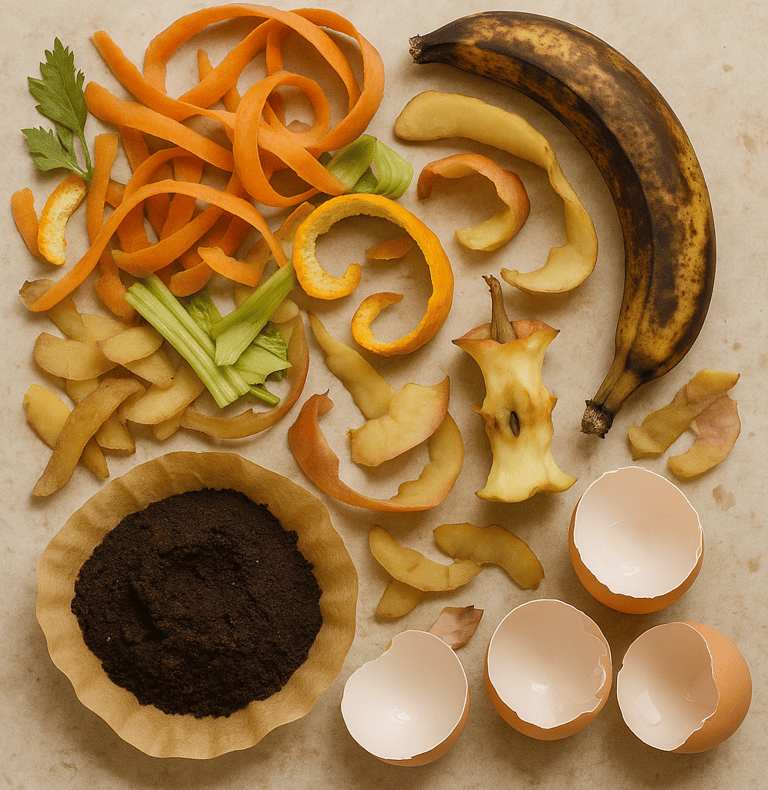
Vegetable peels, trimmings, and cores
Fruit scraps (banana peels, apple cores, melon rinds)
Coffee grounds and paper filters
Tea leaves and bags (without staples)
Crushed, rinsed eggshells for grit and calcium
Plain bread, pasta, or rice (in moderation)
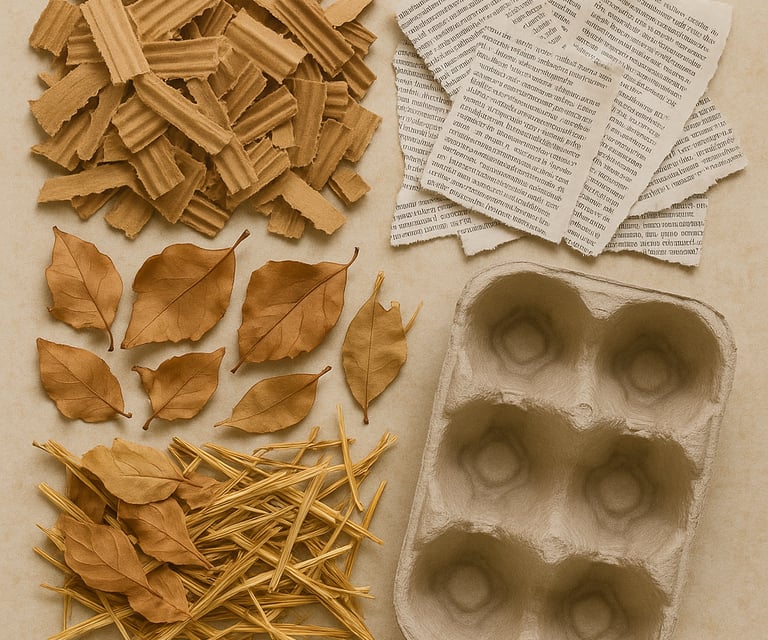
Browns: Carbon-Rich Bedding Worms Also Eat
Browns absorb moisture, control odors, and provide slow-burning carbon.
Shredded cardboard or corrugated paper
Newspaper and plain office paper (black ink only)
Dry leaves or straw
Coconut coir or peat moss (moistened)
Paper egg cartons
Rule of thumb: Aim for about 2–3 parts browns for every 1 part greens. This balance keeps your bin airy, moist, and smell-free.
What Not To Feed Worms
Not everything from the kitchen belongs in a worm bin. Some items create imbalance, attract pests, or harm the worms.
❌ Meat, fish, or dairy (rot quickly and cause odors)
❌ Oily or greasy foods (don’t decompose well)
❌ Onions, garlic, and spicy peppers (too strong for worms)
❌ Citrus in excess (too acidic)
❌ Glossy or colored paper (toxic inks)
❌ Pet waste (health risk and unsafe pathogens)
Moderation is key—even items like bread or citrus are fine in small amounts, but never overload the system.
How to Feed Worms in a Worm Bin
Feeding isn’t just about what goes in the bin—it’s about how you deliver it. Here’s a proven step-by-step method:
1. Prep the Food Scraps
Chop or blend scraps into small pieces to speed up decomposition.
Freeze and thaw if possible—this breaks cell walls and kills fruit fly eggs.
Mix wet scraps (like watermelon) with dry bedding to prevent sogginess.
2. Bury Food in the Worm Bin
Always bury scraps 2–3 inches under the bedding.
Rotate feeding spots around the bin to encourage even activity.
Cover new food with fresh bedding to discourage pests.
3. Control Portions to Prevent Odor
Start small: one handful of food per pound of worms per week.
Check progress before adding more—never feed on top of uneaten scraps.
As your population grows, gradually increase feeding amounts.
4. Monitor and Adjust Worm Feeding
Too much uneaten food? Cut back on feedings.
Bad smells? Add more bedding and reduce greens.
Worms escaping or clustering on the lid? Conditions may be too acidic, wet, or hot.
How Often Should You Feed Composting Worms?
Every worm bin is unique. Temperature, population size, and food type all affect how fast worms eat.
Beginners: Start with once a week feedings.
Established bins: Feed every 2–3 days, in small amounts.
Rule of thumb: 1 pound of worms eats about ½ to 1 pound of scraps per week.
Consistency matters more than schedule. Over time, you’ll learn to “read the bin” and adjust feeding to match your worms’ appetite.
Pro Tips for Feeding Worms Successfully
Moisture check: Bedding should feel like a wrung-out sponge. Add dry bedding if too wet, or a mist of water if too dry.
pH balance: Crushed eggshells help neutralize acidity.
Seasonal adjustments: Worms slow down in winter—reduce feedings to avoid overload.
Top cover trick: A thick layer of shredded cardboard or newspaper on top keeps flies and odors down.
Troubleshooting Worm Feeding Issues
Odors: Usually caused by too much food or poor coverage. Solution: remove excess scraps and add bedding.
Fruit flies or gnats: Freeze scraps before use, or add a thick bedding cover.
Mold growth: Natural and safe, but if it spreads too much, feed less and mix bedding.
Slow feeding worms: They may prefer partially decomposed food. Let scraps sit in a container for 1–2 days before adding.
The Bottom Line
Feeding worms is part art, part science. Stick to a balanced diet of plant-based scraps and carbon bedding, bury food properly, and adjust portions as needed. With a little practice, your worm bin will run like a well-oiled (and odor-free) machine—producing castings that your garden will thrive on.
By learning what to feed, what to avoid, and how to manage feedings, you’re setting your worms up for long-term health and your composting project for long-term success.
If you’d like to dig deeper into the science behind worm composting, I recommend checking out Cornell University’s vermicompost research page. They’ve produced a short 9-minute film called “Vermicompost: A Living Soil Amendment” that introduces vermicomposting as a technology for turning organic waste into valuable resources. The film also highlights how vermicompost can improve plant nutrient management and even help suppress plant diseases. You can stream it on YouTube, download a higher-resolution version for free, and explore detailed reports from Cornell’s Departments of Plant Pathology, Plant-Microbe Biology, and Horticulture.
Frequently Asked Questions About Feeding Worms
Q: What should I not feed my composting worms?
Avoid meat, dairy, oily foods, spicy scraps, pet waste, and too much citrus. These can cause odors, attract pests, or harm your worm bin.
Q: How often should I feed my worms?
A good rule of thumb is to feed once a week when starting. As the colony grows, 1 pound of worms can eat about ½ to 1 pound of food scraps per week.
Q: Can worms eat bread or pasta?
Yes, but only in moderation. Bread, pasta, and grains should be plain (no sauces, oils, or spices) and mixed with plenty of carbon bedding.
Q: Do worms need special bedding along with food?
Yes. Bedding like shredded cardboard, newspaper, or coconut coir balances moisture, prevents odor, and provides essential carbon in their diet.
Q: Why is my worm bin smelling bad after feeding?
A smelly worm bin usually means too much food or not enough bedding. Remove excess scraps, add dry bedding, and bury new food deeper.